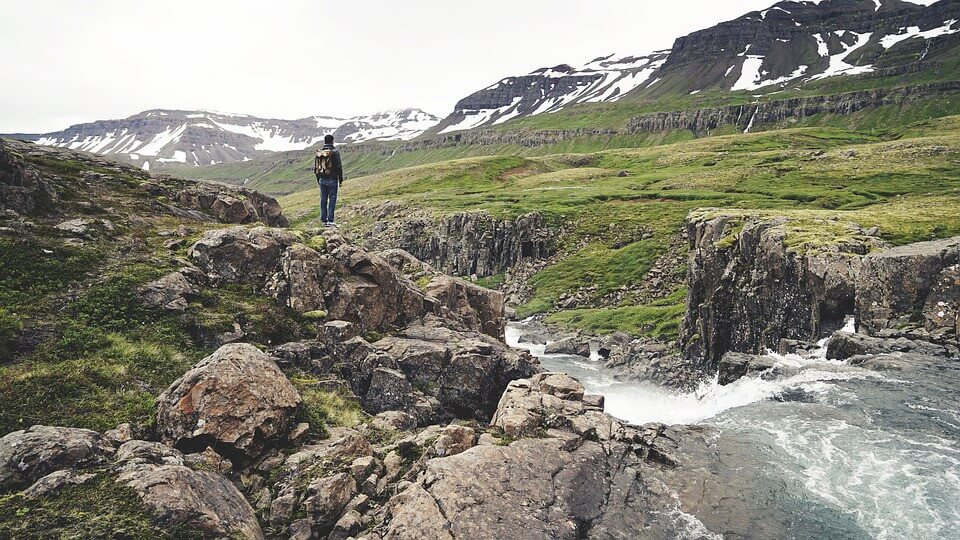
Hiking is often described as one of the easiest ways to get outside, move your body, and clear your mind. Yet for beginners, the idea of hitting the trails can feel surprisingly intimidating. What if you choose the wrong trail? What if you don’t have the right gear? What if you get lost or can’t keep up?
The truth is, hiking doesn’t have to be complicated or extreme. You don’t need expensive equipment, advanced skills, or peak fitness to get started. With a little preparation and the right mindset, hiking can be enjoyable, accessible, and deeply rewarding from your very first walk.
Start Small—and That’s a Good Thing
One of the biggest mistakes beginners make is trying to do too much too soon. Long distances, steep climbs, or remote trails can turn an exciting idea into a stressful experience.
Begin with:
-
Short trails (1–3 miles)
-
Minimal elevation gain
-
Clearly marked, well-traveled paths
Local parks, nature preserves, and community trails are perfect starting points. These hikes still offer fresh air and scenic views without requiring advanced planning or endurance.
Remember, there’s no rule that says a hike has to be long to “count.” Even a short walk on a trail is a win.
Choose the Right Trail for You
Before heading out, take a few minutes to learn about the trail. Many beginner-friendly trails include information about length, difficulty, and terrain.
Look for:
-
Beginner or “easy” ratings
-
Loop trails (so you don’t have to turn around)
-
Clear signage and trail markers
Avoid trails labeled “strenuous” or “technical” until you’ve built confidence. Starting on trails that feel manageable helps you enjoy the experience and builds momentum to keep going.
Keep Your Gear Simple
You don’t need a full outdoor gear closet to start hiking. In fact, most beginners already own everything they need.
Essentials for beginner hikes include:
-
Comfortable walking shoes or sneakers with good grip
-
Weather-appropriate clothing
-
A reusable water bottle
-
Sunscreen and/or a hat
-
A small snack
As you hike more often, you can slowly add gear like hiking shoes, a daypack, or trekking poles—but none of these are required on day one.
Dress for Comfort, Not Style
Comfort matters more than looking the part. Wear clothes that allow you to move easily and keep you comfortable as temperatures change.
Helpful tips:
-
Choose breathable fabrics
-
Dress in layers
-
Avoid cotton if it’s hot or you’ll sweat a lot
-
Bring a light jacket, even on mild days
Being physically comfortable makes it easier to focus on enjoying your surroundings instead of counting down until you can leave.
Go at Your Own Pace
Hiking is not a race. There’s no prize for speed, and no “correct” pace. Stop when you need to, drink water, take photos, or simply catch your breath.
If you’re hiking with others:
-
Communicate openly about pace
-
Take breaks together
-
Avoid comparing yourself
Listening to your body helps prevent injury and burnout—and makes hiking something you’ll actually want to do again.
Safety Basics Every Beginner Should Know
Staying safe doesn’t require advanced skills, just awareness.
Before you go:
-
Check the weather
-
Let someone know where you’re hiking
-
Start earlier in the day to avoid rushing
While hiking:
-
Stay on marked trails
-
Pay attention to signs and landmarks
-
Turn around if you feel uncomfortable or tired
Trust your instincts. It’s okay to shorten a hike or head back early.
Make It Enjoyable
The best way to avoid feeling overwhelmed is to make hiking enjoyable rather than intimidating.
Try:
-
Hiking with a friend
-
Bringing a camera or journal
-
Choosing trails with views, water, or wildlife
-
Taking breaks to appreciate your surroundings
Hiking doesn’t have to be intense or serious. It can be quiet, social, reflective, or playful—whatever feels right to you.
Build Consistency, Not Perfection
You don’t need to hike every week or tackle harder trails immediately. Consistency grows naturally when you associate hiking with positive experiences.
Even one hike a month can:
-
Improve your mood
-
Build confidence
-
Increase comfort in outdoor spaces
Over time, you may find yourself wanting to go farther, explore new trails, or invest in better gear—but there’s no rush.
Final Thoughts
Starting something new can feel overwhelming, especially when it seems like everyone else already knows what they’re doing. But hiking is one of the most beginner-friendly activities there is when you let go of pressure and expectations.
Start small. Stay curious. Go at your own pace.